Wongyal Travels
Gurudongmar Lake Travel Guide: Altitude, Permits and Best Time to Visit
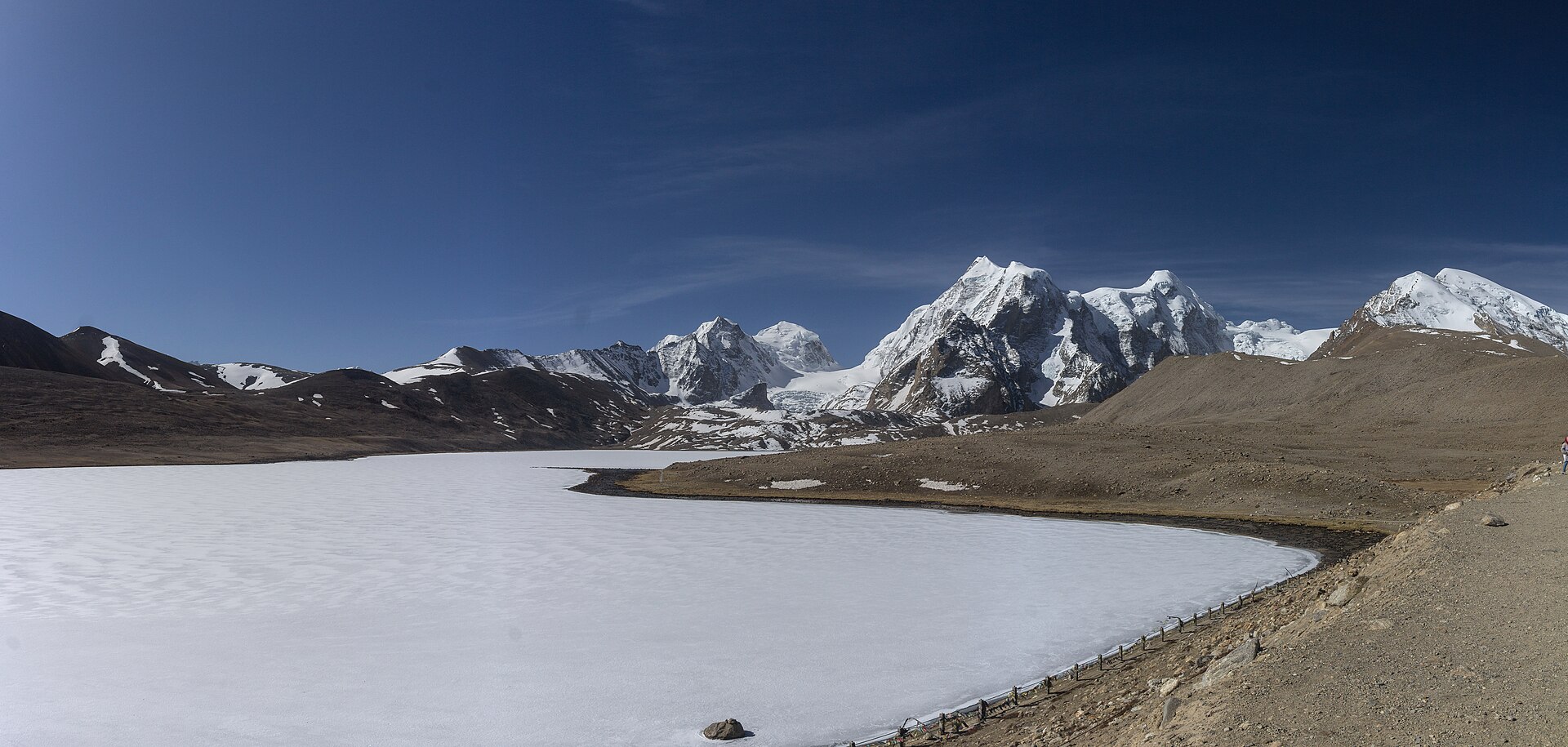
Gurudongmar Lake sits at roughly 17,800 ft (5,430 m) in North Sikkim's Mangan district, just about 5 km from the Tibet (China) border, which makes it one of the highest lakes in the world. Indian travellers need a Protected Area Permit, arranged through a registered Sikkim operator, and visit it as a pre-dawn day trip from the village of Lachen; foreign nationals are not currently allowed up to the lake itself. The best months are broadly April to June and October to November, when the road is open and the skies are clearest.
That is the short version. The longer, honest version, the one we give guests before they commit, is that the altitude is the whole story here. Get your acclimatization, timing and health checks right and Gurudongmar is genuinely unforgettable; get them wrong and it can ruin a trip. Here is everything we tell our own travellers.
How high is Gurudongmar Lake, and why it matters
Gurudongmar sits in the Mangan district of North Sikkim, roughly 5 km south of the Tibet (China) border. The Government of Sikkim lists its height as about 17,800 ft (5,430 m), which puts it among the highest lakes anywhere in the world. Some survey maps place it a little lower, closer to 16,900 ft (5,150 m). Either way, you are standing at around the height of Everest Base Camp on the Nepal side (about 17,600 ft), and your body will feel every foot of it.
The lake is sacred to both Buddhists and Sikhs. Local Buddhist tradition holds that Guru Padmasambhava, or Guru Rinpoche, touched the water so that one portion never fully freezes, giving the valley a source of water year-round. Its meltwater feeds streams that join Tso Lhamo Lake and become one of the headwaters of the Teesta, the river you follow for much of the drive up.
Altitude and AMS: the safety talk we never skip
This is the part we never rush past. Between Lachen, your overnight base at around 9,000 ft (2,750 m), and the lake at roughly 17,800 ft, you gain close to 9,000 ft in a single morning. That is a lot of altitude, fast, and Acute Mountain Sickness (AMS) is a real risk here, not a scare story. Headache, nausea, dizziness, breathlessness and broken sleep are the common early signs.
- Give your body time low down first. A night or two in Gangtok and a night in Lachen before the lake run helps you adjust.
- Hydrate hard and skip the alcohol the evening before. Keep sipping water on the drive up.
- Talk to your doctor about Diamox (acetazolamide) before you travel. Many people start it a day ahead, but that is a medical decision, not ours to make.
- Keep the visit short. Thirty to forty-five minutes at the lake is plenty; the thin, dry, cold air tires you quickly at this height.
- Move slowly, breathe deeply, and do not sprint for photos. If symptoms worsen, the only real cure is to go down, and your driver will turn back.
Our drivers know these roads and the warning signs, and there is a small army medical and oxygen point along the route. Even so, the smartest safety tool is an unhurried plan.
Who should honestly avoid the lake run
Gurudongmar is not for everyone, and it is fairer to say so plainly. Because of the extreme altitude and thin oxygen, we would advise against the lake run if you or anyone in your group has:
- A heart condition, uncontrolled high blood pressure, or a serious respiratory problem such as severe asthma or COPD.
- A current pregnancy.
- Very young children; infants and toddlers cannot tell you what they are feeling at altitude.
- Recent surgery, or any condition your doctor has flagged as risky at high altitude.
Older travellers do make it, but only after a frank chat with their doctor and with realistic expectations. If there is any doubt, Chopta Valley and Thangu, lower down the same road, are beautiful and far gentler on the body.
The permit: who can and cannot go
Gurudongmar lies in a sensitive border zone, so a Protected Area Permit (PAP) is compulsory. A few things surprise travellers:
- Indian nationals only. The lake is open to Indian citizens holding a valid PAP. Foreign nationals are not permitted up to Gurudongmar; they are currently allowed only as far as Thangu, lower in the valley. This is an army rule, and no operator can work around it.
- You cannot arrange it yourself. The permit is issued to a registered Sikkim tour operator through a police check post, so it has to be part of a booked trip with a vehicle and driver.
- Carry originals. Bring government photo ID (Aadhaar, voter ID or passport) plus a couple of passport-size photos.
We handle the paperwork for our guests, but it does mean we need names and ID details a few days ahead, so please build that into your plans.
Lachen: your base for the lake
Lachen, a quiet mountain village at about 9,000 ft (2,750 m), is the launch point for Gurudongmar. There is no shortcut: you sleep in Lachen the night before and leave in the dark. The village is small, mobile signal is patchy, and stays here are simple mountain lodges rather than luxury hotels, so keep expectations grounded and pack warm layers even in summer.
The usual approach from Gangtok is a long day's drive, roughly 6 to 7 hours to cover about 107 km, following the Teesta through Chungthang and past roadside waterfalls. Most travellers fold Gurudongmar into a wider North Sikkim loop that also takes in Lachung, Yumthang Valley and Zero Point over three or four days, which spreads the altitude gain out more comfortably. That is the shape of our usual Gangtok, Lachen and Lachung trip.
Best time to visit Gurudongmar Lake
The road to Gurudongmar is only reliably open for part of the year. As a rough guide:
- April to June: our most popular window. Days are relatively mild, skies are often clear, and the slopes green up. This is peak season, so book early.
- October to November: crisp, dry air and some of the clearest mountain views of the year, with the first snow dusting the peaks.
- Late December to February: deep winter. Heavy snowfall regularly closes the road above Lachen, the lake freezes solid, and the run is often cancelled at short notice. Avoid this window unless you specifically want the frozen landscape and can accept the chance of not reaching the lake.
March, and the monsoon-edge months of July to September, can also work, but landslides and low cloud are more likely then. Whatever the month, the lake can close for a day or two on weather or army orders, so always keep a buffer day in your plan.
A realistic day plan from Lachen
Here is how the lake day actually runs:
- 5:00 to 5:30 AM: wake, warm clothes on, quick tea. Your hotel usually packs breakfast to travel with you.
- 5:30 to 6:00 AM: leave Lachen in the dark. Early starts are not us being dramatic; the army gate has timing windows and afternoon clouds build fast.
- En route: the road climbs through Thangu village (about 13,000 ft / 3,962 m) and the wide, wind-scoured Chopta Valley. Expect a permit and ID check at the post.
- 8:00 to 8:30 AM: reach the lake. Settle slowly, take your photos, visit the small prayer area, and let the stillness land. Thirty to forty-five minutes is enough at this height.
- Late morning: drive back down to Lachen for a proper breakfast or early lunch.
- Afternoon: most itineraries then move on to Lachung, ready for Yumthang Valley the next morning.
The lake round trip from Lachen is roughly five to six hours including stops and checks.
Planning your Gurudongmar trip
Gurudongmar rewards travellers who plan it with a little respect: the right months, a night at altitude first, honest health checks, and no rushing. Get those right and it is one of the most quietly overwhelming places you will ever stand. If you are weighing up dates, or want us to build it into a wider Gangtok, Lachen and Lachung trip, send your travel dates and group details across on WhatsApp. We will tell you honestly what is open, what is sensible for your group, and how to make the days flow. No pressure, just local advice from people who drive this road.
Frequently asked questions
How high is Gurudongmar Lake in feet and metres?
The Government of Sikkim lists it at about 17,800 ft (5,430 m), among the highest lakes in the world. Some survey maps place it slightly lower, around 16,900 ft (5,150 m). Either figure is extreme altitude, so acclimatization matters.
Can foreigners visit Gurudongmar Lake?
No. Because it sits close to the Tibet (China) border, foreign nationals are not permitted up to Gurudongmar. They are currently allowed only as far as Thangu, lower in the valley. The lake itself is open to Indian citizens with a Protected Area Permit.
Do I need a permit for Gurudongmar Lake?
Yes. Indian travellers need a Protected Area Permit (PAP), which is issued to a registered Sikkim operator through a police check post. You cannot get it independently; it is arranged as part of a booked trip with a vehicle. Carry original photo ID and passport-size photos.
What is the best time to visit Gurudongmar Lake?
Broadly April to June and October to November, when the road is open and skies are clearest. Late December to February often sees heavy snow and road closures above Lachen, so the run is unreliable then. Always keep a buffer day for weather.
How many days do I need from Gangtok?
Plan at least three to four days. Gangtok to Lachen is a 6 to 7 hour drive, you sleep in Lachen, then leave before dawn for the lake. Most travellers combine it with Lachung and Yumthang Valley in one North Sikkim loop.
Is Gurudongmar Lake safe, and who should avoid it?
It is safe for most fit travellers who acclimatize, hydrate and keep the visit short. Avoid the lake run if you have a heart condition, uncontrolled high blood pressure, serious breathing problems, are pregnant, or are travelling with very young children. Consult your doctor if unsure.
Planning this trip?
Wongyal Travels is a Gangtok-based team with 11+ years arranging Sikkim and Darjeeling trips. Send your dates and group size for a practical plan and quote.