 Wongyal Travels
How to Explore Sikkim Like a Pro: Local Tips for First-Time Visitors
To explore Sikkim like a pro, sort your permits before you arrive, allow a day or two to acclimatize before heading high, travel by private vehicle with a local driver, and time your trip for spring (March to May) or autumn (October to early December). Indian citizens do not need a permit to enter Sikkim but do need Protected Area Permits for spots like Tsomgo Lake, Nathula, and North Sikkim; foreign nationals need a Restricted Area Permit for the state itself. Get those basics right and the rest of Sikkim falls into place.
This is a first-timer's orientation, written from the ground up in Gangtok, not a glossy checklist. Below is what we actually tell friends and guests before their first trip: how the permits work, how to handle altitude, when to come, how to pace a route, what to pack, and the small mistakes that trip people up.
Sort Your Permits First: What Indians and Foreigners Each Need
Indian citizens do not need any permit to enter Sikkim or move around Gangtok, Pelling, and most of the state. What you do need is a Protected Area Permit (PAP) for the border-sensitive spots almost everyone comes for: Tsomgo (Changu) Lake, Nathula Pass, the Silk Route around Zuluk, and all of North Sikkim (Lachen, Lachung, Yumthang, Gurudongmar). These are arranged through a registered local operator, not by you directly, so carry originals and photocopies of a government photo ID (Aadhaar, Voter ID, driving licence, or passport) plus two passport-size photos. Children travel on a birth certificate or school ID.
Foreign nationals work differently. You need a Restricted Area Permit (RAP, still often called the Inner Line Permit) simply to enter Sikkim. It is free and now issued digitally, and can be arranged on arrival at Bagdogra or the Rangpo check post, or in advance through a registered agency. For protected areas, foreigners must travel through a registered operator, usually in a group of two or more. One honest caveat: foreign passport holders are not permitted at Nathula Pass, Gurudongmar Lake, or Zuluk, which are sensitive border areas. Tsomgo Lake and Yumthang Valley are open to everyone, while access rules for Zero Point (Yumesamdong) can vary for foreign nationals, so confirm the current status before you count on it.
Give Your Body Time: Altitude and Acclimatization
Sikkim climbs fast. Gangtok sits at about 5,410 ft (1,650 m), Lachen and Lachung at roughly 8,800 to 9,600 ft (2,700 to 2,900 m), and Gurudongmar Lake at a serious 17,800 ft (5,430 m). Nathula Pass is about 14,140 ft (4,310 m) and Zero Point, or Yumesamdong, sits near 15,300 ft (4,660 m). Gaining that much height in a day or two is where first-timers get caught out.
The fix is simple, and it is what experienced travelers do: sleep low, climb high, and never rush the top. We keep you overnight in Lachen, then run the Gurudongmar leg as an early-morning up-and-back so you are not sleeping at extreme altitude. Drink plenty of water, skip alcohol the night before a high climb, walk slowly at the lake, and eat light. If you get a bad headache, nausea, or breathlessness that does not settle, the right call is to descend, not push on. Anyone with a heart or lung condition should check with a doctor before the trip.
Pick the Right Season for the Trip You Want
Two windows stand out. Spring, March to May, brings warm days and the rhododendrons and magnolias in full bloom, which is why Yumthang is nicknamed the Valley of Flowers. Autumn into early winter, October to early December, gives the clearest skies and the sharpest Himalayan and Kanchenjunga views of the year.
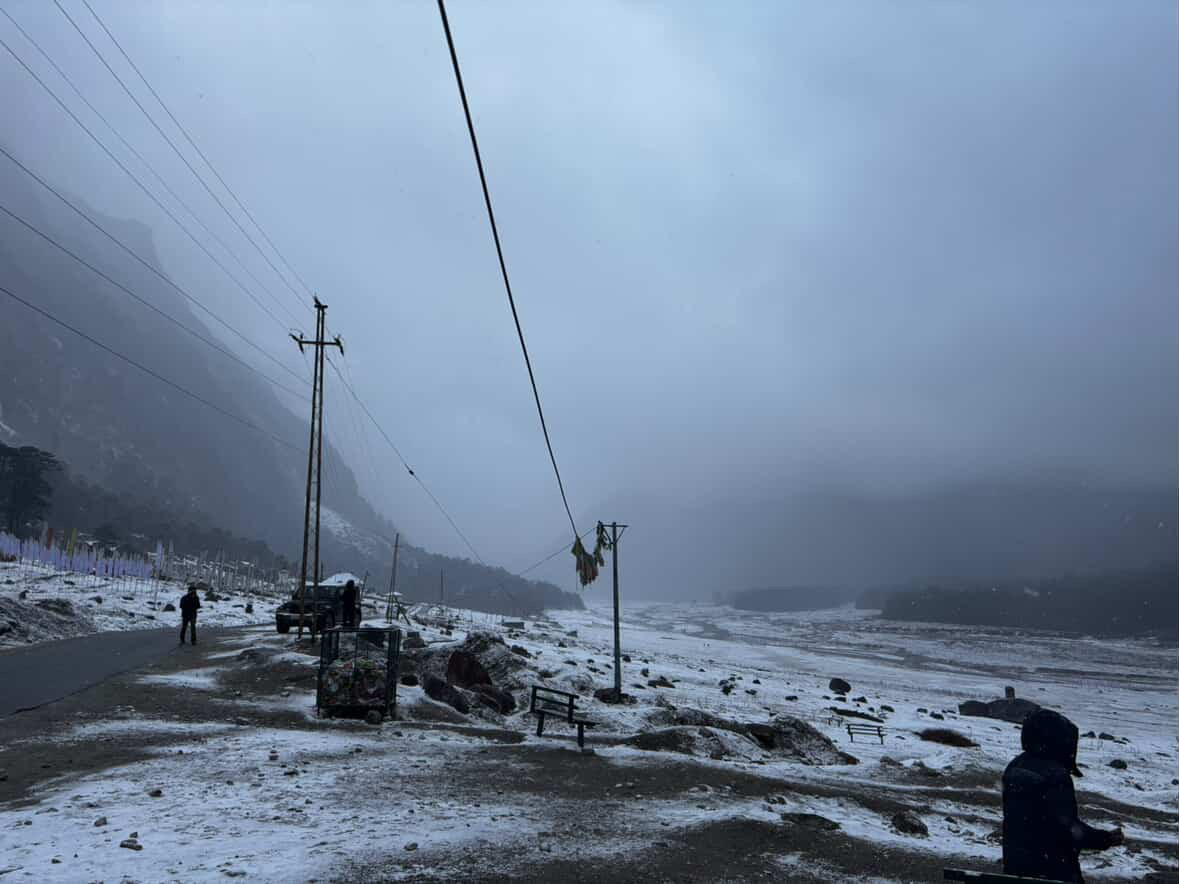
Winter (December to February) is beautiful and quieter, with snow around Tsomgo and the high passes, but heavy snowfall can shut the road to Gurudongmar and Zero Point for days at a time. The monsoon, mid-June through September, is the one stretch we usually steer people away from: North Sikkim's mountain roads are prone to landslides and blockages, and a washed-out road can cost you a whole day. If your only free dates fall in the rains, stick to lower, sturdier areas and keep the plan flexible. Note too that high spots like Gurudongmar can close at short notice for weather or administrative reasons, so it is worth confirming current status before you fix the itinerary.
Choose a Route That Flows, Not One That Races
Most first trips run best from a Gangtok base, because nearly every permit and road heads out from there. A comfortable spine looks like this: arrive at Bagdogra airport or NJP railway station and drive up to Gangtok (around 125 km, four to five hours); spend a day on the Tsomgo Lake and Nathula excursion (about 40 km out, with Nathula another 15 km on); then loop into North Sikkim for Lachung, Yumthang, Lachen, and Gurudongmar over two or three nights. A Gangtok, Lachen and Lachung loop is the classic first-timer circuit, and it deserves six to eight unhurried days.
If you have more time, add a western leg to Pelling and Ravangla, or tag on a relaxed Darjeeling leisure add-on for tea gardens, the toy train, and a Tiger Hill sunrise. Whatever you pick, resist cramming. The distances look short on a map, but mountain roads are slow, and the real pleasure of Sikkim is in the pauses.
Pack for Three Seasons in One Day
Mountain weather turns quickly, so layer rather than pack one heavy coat. Even in spring, mornings at Gurudongmar or Nathula can sit near freezing while Gangtok is pleasant by lunch. A simple kit covers it:
- Thermals, a warm fleece, and a windproof, waterproof outer layer
- A woolen cap, gloves, and sturdy closed shoes with good grip
- Strong sunscreen, sunglasses, moisturiser, and lip balm for dry, high-UV air
- Personal medicines, a small first-aid kit, and something for headache and nausea
- Original IDs plus photocopies and passport photos for permit checks
- Enough cash, offline maps, and a power bank, because ATMs and mobile signal thin out past Gangtok
Budget Honestly, and Know Where the Money Goes
Sikkim can flex from backpacker-simple to comfortable, but a few costs are fixed no matter who you travel with. In the hills, private-vehicle transport is the biggest line item, because roads, distances, and permit rules make shared options limited and often impractical for North Sikkim. Permit paperwork, driver and vehicle charges, and homestay or hotel stays in Lachen and Lachung make up the core.
We will not quote figures here, because rates shift with season, group size, and fuel, and anyone promising a rock-bottom package price sight unseen is usually cutting a corner you will feel later. The honest approach is to send your dates and group size and get a clear, itemised idea of what a trip actually costs. Keep a small buffer for weather delays and the odd extra night; the mountains do not always keep to schedule.
Travel Kindly: Local Etiquette and the Environment
Sikkim is proudly clean, and it stays that way because people take it seriously; the state restricted many single-use plastics long before it was common elsewhere. Carry your own bottle and take your litter back down with you. At monasteries, walk clockwise, remove your shoes where asked, dress modestly, and ask before photographing people, prayer halls, or rituals.
A simple Namaste and a smile open most doors, and a little patience with mountain time helps even more. Respect the quiet at high lakes like Gurudongmar and Tsomgo, which are sacred to many, so do not wade in or make noise. Buy local where you can, from a homestay meal to a roadside cup of tea. Your driver is often your best guide to all of this, so lean on that local knowledge.
The Mistakes First-Timers Make, and How to Skip Them
A few patterns repeat. The biggest is overpacking the itinerary, trying to do Tsomgo, North Sikkim, Pelling, and Darjeeling in five days, which leaves you exhausted and stuck in the car. The second is ignoring altitude, then losing the Gurudongmar morning to a headache that a slower climb would have prevented. The third is timing: booking North Sikkim in peak monsoon, or expecting Gurudongmar and Zero Point to be open in deep winter when snow may have closed the road.
Others come up often too. People assume Nathula is open any day, when it actually runs Wednesday to Sunday for Indian nationals only, closed Monday and Tuesday, and always weather permitting. They forget photocopies and passport photos and hold up the whole vehicle at a check post. And they leave permits to the last minute in peak season. Almost all of it is avoidable with a little local input before you lock the dates.
Planning Your First Sikkim Trip
None of this is meant to overwhelm you; it is exactly the stuff we sort every day so you do not have to. Once you know roughly when you can travel and how many people are coming, the route, permits, and pacing fall into place quickly. If you would like a hand shaping an itinerary that fits your dates and does not rush the mountains, send us your travel dates and group size on WhatsApp and we will help you plan it, honestly and at your own pace. We are a small, family-run team based in Gangtok, and we have been showing people around our home state for over a decade.
Frequently asked questions
Do Indian tourists need a permit to visit Sikkim?
No permit is needed to enter Sikkim or to visit Gangtok, Pelling, and most of the state. Indians do need a Protected Area Permit for border areas like Tsomgo Lake, Nathula, Zuluk, and all of North Sikkim, arranged through a registered operator with original ID, photocopies, and passport photos.
Which days is Nathula Pass open, and who can visit?
Nathula Pass is open to tourists Wednesday to Sunday and stays closed on Monday and Tuesday, subject to weather. It is open to Indian nationals only, as a one-day excursion with a Protected Area Permit; foreign passport holders are not permitted.
Can foreign nationals visit Gurudongmar Lake and Nathula?
No. Gurudongmar Lake, Nathula Pass, and Zuluk are restricted to Indian nationals. Foreigners can visit Tsomgo (Changu) Lake and Yumthang Valley, traveling through a registered agency, usually in a group of two or more, on a Restricted Area Permit. Access rules for Zero Point can vary for foreigners, so confirm the current status before you go.
What is the best time to visit Sikkim?
March to May for warm weather and blooming rhododendrons, and October to early December for the clearest Himalayan views. Avoid the monsoon from mid-June to September, when North Sikkim roads are prone to landslides; in deep winter, snow can close Gurudongmar and Zero Point.
How high is Gurudongmar Lake, and is altitude sickness a real risk?
Gurudongmar Lake sits at about 17,800 ft (5,430 m), one of the highest lakes in the world. Altitude sickness is a genuine risk, so acclimatize by overnighting lower in Lachen (around 8,800 ft), climb early in the morning, hydrate, avoid alcohol, and descend if symptoms worsen.
How many days do I need for a first Sikkim trip?
Plan six to eight unhurried days for Gangtok, the Tsomgo and Nathula excursion, and a North Sikkim loop through Lachung, Yumthang, Lachen, and Gurudongmar. Add two to three more days if you want to include West Sikkim (Pelling, Ravangla) or a Darjeeling extension.
Planning this trip?
Wongyal Travels is a Gangtok-based team with 11+ years arranging Sikkim and Darjeeling trips. Send your dates and group size for a practical plan and quote.
Related tours
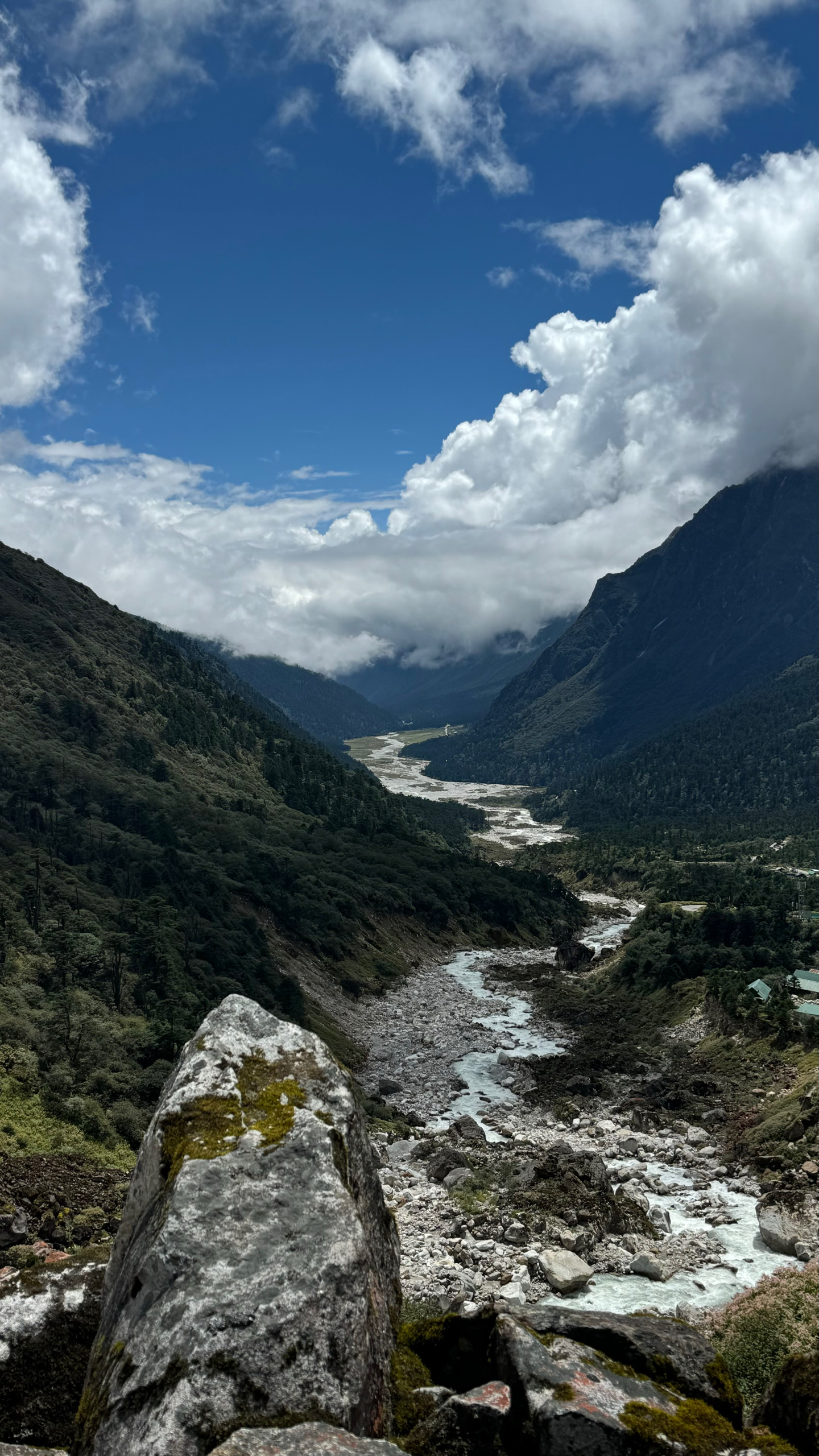
Gangtok, Lachen and Lachung Tour
A North Sikkim route from Gangtok that covers Tshangu Lake, Gurudongmar Lake, and the flower filled Yumthang Valley along with stays in Lachen and Lachung.
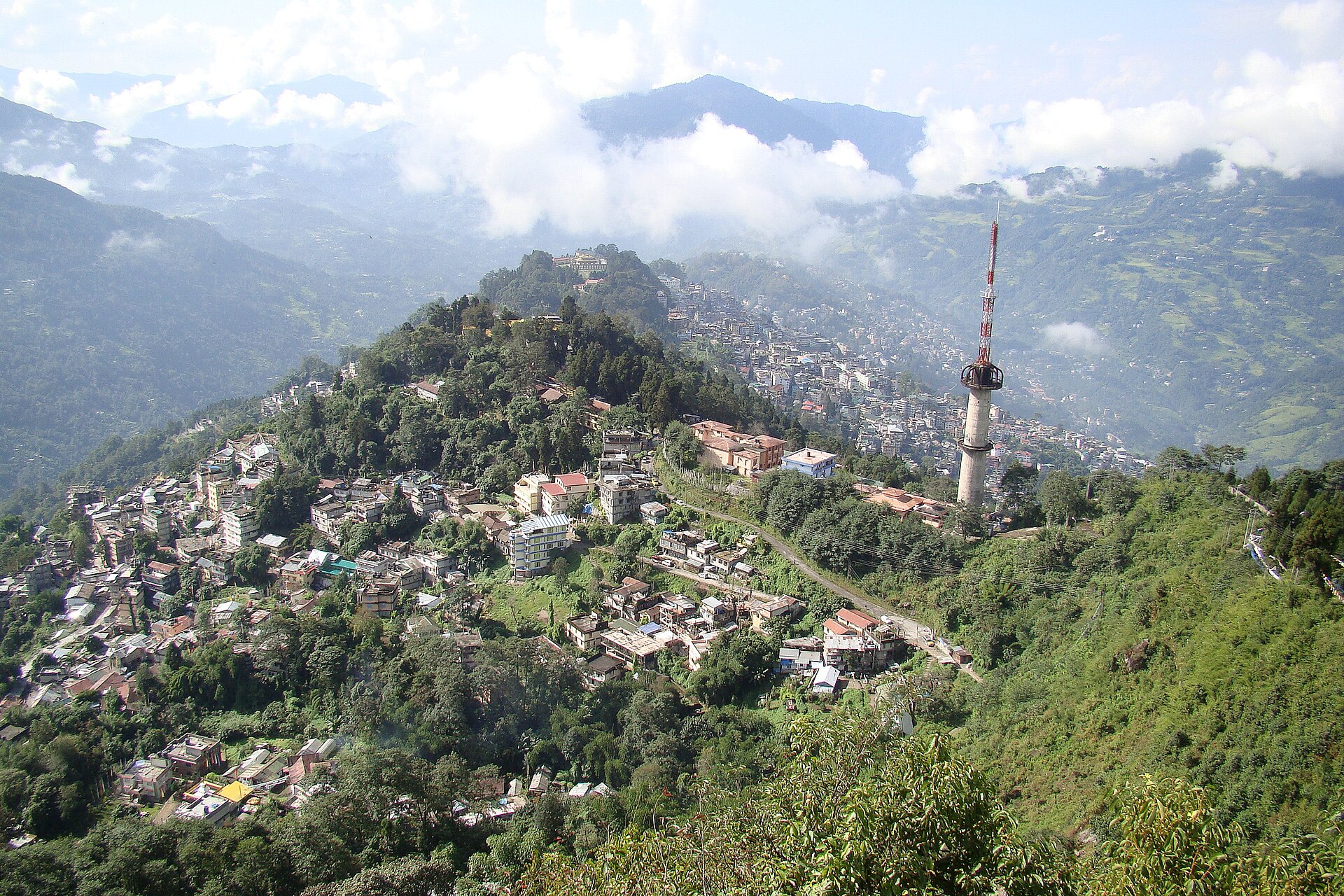
Darjeeling Leisure Tour
A relaxed Darjeeling holiday covering Tiger Hill sunrise, monasteries, Himalayan Mountaineering Institute, Peace Pagoda, and a day trip to Mirik Lake.